The Healing Was Always Here: Appalachian Herbalists Push Back Against a History That Forgot Them

Photo by Photo by Ali Kazal on Unsplash on Unsplash
There's a particular kind of knowledge that doesn't live in books. It lives in the hands that know how to strip a slippery elm branch without killing the tree, in the nose that can tell ripe spicebush berries from the ones that'll pucker your face, in the memory of a grandmother's voice explaining which creek-bank plants you pull in spring and which ones you leave strictly alone.
In Southern Appalachia, that knowledge runs centuries deep. And for a long time, the story told about it — who held it, where it came from, who deserves credit for it — has been incomplete at best and dishonest at worst.
A growing community of herbalists across the mountain South is working to change that.
The Myth of the Isolated Mountain Healer
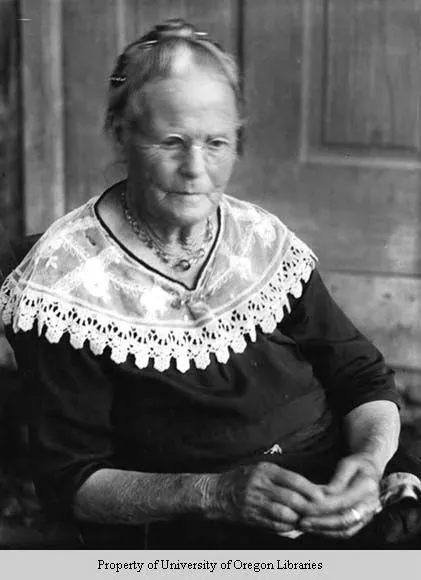
The popular image of Appalachian plant knowledge tends to look a specific way: a white, elderly woman in a remote cabin, her remedies passed down from Scots-Irish settlers who learned to make do with what the mountains offered. It's a romantic picture. It's also missing most of the story.
Indigenous peoples — the Cherokee, the Monacan, the Yuchi, and other nations who called these mountains home long before any European set foot here — developed sophisticated botanical pharmacopeias over thousands of years. Their knowledge of local plants was precise, regionally specific, and deeply integrated with ecological understanding that settler communities simply didn't have when they arrived.
And when those settlers did arrive and began learning which plants healed and which ones harmed, they weren't learning in isolation. They were learning from Indigenous neighbors, from enslaved Black healers and root workers who carried their own plant traditions from West and Central Africa and adapted them brilliantly to new landscapes, and from the ongoing exchange of knowledge that happens whenever people live in close, if often violent and unequal, proximity.
"The idea that Appalachian herbalism is purely a European settler tradition is just not historically accurate," says one western North Carolina herbalist who has spent years researching the region's botanical history. "It was always a conversation, even when that conversation was coerced."
What Was Taken, What Was Erased
Understanding what got lost requires sitting with some uncomfortable history.
Federal Indian removal policies in the 1830s forcibly displaced most Cherokee people from their homelands across Southern Appalachia, severing knowledge transmission and fragmenting communities whose plant practices were inseparable from specific landscapes. The Eastern Band of Cherokee who remained — many hiding in the mountains of what is now western North Carolina — kept their traditions alive under extraordinary pressure, but the disruption was immense.
For Black Appalachians, many of whom were enslaved on mountain farms and in mining operations, plant knowledge was simultaneously a survival tool and a form of resistance. Root workers and healers within enslaved communities held significant power through their botanical expertise. After emancipation, Black mountain communities continued herbalist traditions that rarely made it into the books white folklorists were writing about Appalachian culture in the late 19th and early 20th centuries.
The result is a written record of Appalachian plant knowledge that skews heavily white and heavily male — a record that reflects who got to be the expert in the eyes of collectors and publishers, not who actually held the deepest knowledge.
The Wellness Industry's Complicated Relationship with Mountain Plants
Walk through any natural foods store in Asheville, Knoxville, or Atlanta and you'll find goldenseal capsules, ramp-infused salts, black cohosh supplements, and spicebush seasoning blends — all marketed with language gesturing vaguely at "ancient Appalachian wisdom" or "traditional mountain healing."
The problem isn't that people want these products. The problem is who profits from them and who gets credited.
Goldenseal (Hydrastis canadensis) is a perfect case study. It's one of the most overharvested medicinal plants in North America, driven in large part by commercial demand. Its use was documented extensively among Indigenous peoples of the eastern woodlands, including Cherokee communities in the Southern Appalachians, long before it became a supplement aisle staple. Today, the commercial goldenseal trade generates millions of dollars annually. The Cherokee Nation and Indigenous herbalists who developed the knowledge base underlying that market see almost none of it.
"Commodification without attribution is just a polite word for theft," says one Asheville-based herbalist who teaches plant medicine workshops with an explicit focus on cultural history. "When you buy a product and the label says 'traditional Appalachian herb' but doesn't tell you whose tradition, that's a choice someone made."
The People Doing the Work
Across the Southern Appalachians, a network of herbalists — many of them Indigenous, Black, and queer practitioners who have historically been marginalized even within alternative medicine spaces — are building something different.
Some are teaching in community settings, explicitly centering the contributions of Cherokee, Black Appalachian, and mixed-heritage healers in their curricula. Others are working directly with tribal communities on plant conservation and knowledge documentation projects that keep intellectual ownership where it belongs. Still others are writing, podcasting, and using social media to push back against the sanitized, whitewashed version of mountain herbalism that dominates mainstream wellness culture.
Organizations like the United Plant Savers are working on the conservation side, flagging at-risk medicinal plants and promoting cultivation over wild harvesting. The Chestnut School of Herbal Medicine, based in western North Carolina, has increasingly incorporated social justice frameworks into its programs — a shift that reflects broader conversations happening across the herbal community.
None of this is simple work. There are real tensions between practitioners about what reclamation looks like, who gets to teach what, and how to honor living traditions without freezing them into museum pieces.
What the Plants Actually Ask Of Us
Here's the thing about plant knowledge: it doesn't do well when it's extracted from its relationships.
The Cherokee understanding of black cohosh, for example, isn't just a list of chemical constituents and dosage recommendations. It's embedded in a relationship with that plant, with the forest ecosystem that supports it, with the seasonal rhythms of the mountains, and with a community of people whose well-being is tied to the land's well-being. Pull that knowledge out of context, bottle it, and sell it without any of that relational understanding, and you haven't transmitted wisdom — you've just moved product.
The herbalists working to reclaim and restore these traditions aren't trying to gatekeep plant medicine. Most of them are generous, enthusiastic teachers who want more people to know these plants and love them. What they're asking for is honesty: about where the knowledge came from, about who was harmed in its taking, and about what it means to be a responsible inheritor of a tradition that was never really yours to claim outright.
The mountains have been offering their medicine for a long time. The least we can do is tell the truth about who taught us to receive it.